
This webinar, Perspectives on Accessibility Panel: Expert Insights on Improving Access for Visitors and Staff, explores practical strategies for making museums, archives and cultural spaces more inclusive for neurodivergent visitors, staff and volunteers. It covers key concepts such as neurodiversity and universal design, and addresses how collections and exhibits can be adapted to better support a wide range of needs.
Short on time? Jump to the full webinar recording.
Recommended Prerequisites
Accessibility Beyond ADA
Presenter: Peter Hyde
This webinar explores how museums can move beyond ADA compliance to create more inclusive, engaging visitor experiences
Neurodiversity & Accessibility in Museums
Presenters: Beth Varner & Dave Turnbull
This webinar focuses on how small changes can help museums create more inclusive, welcoming experiences for all visitors.
In This Recording, You'll Learn:
- Why accessibility matters, with a special focus on neurodiversity
- How to make collections more accessible to visitors and staff
- How and why it's important to incorporate Universal Design into exhibitions and programming

Expert Resources
Bethany Fleming, Exhibit Developer
- Active Collections
- Active Collections helps museums and local history organizations actively manage and prioritize their objects so collections better support their mission and serve the public.
- Active Collections book
- Getting Started with Active Collections - Vermont Historical Society
- Museums Association
- Museum Scan
- Museum Scan provides 3D scanning, digitization, and digital-preservation services, tools, tutorials, and resources to help museums and cultural institutions create, manage, and publish high-quality 3D models of artifacts for access, conservation, and web/AR use.
Peter Hyde, Exhibit Designer
- International Building Code (IBC)
- ADA.gov
- Guidelines for Accessible Exhibition Design - Smithsonian Institution
- Wayside Guide: A Guide to Developing Outdoor Interpretive Exhibits - National Park Service
- Institute for Human-Centered Design
- The Henry Ford Museum's Accessibility Page
- Example of a good pre-visit accessibility page
Panelists
Peter Hyde
Peter Hyde Design
Exhibit Designer
Peter Hyde is a designer with over 25 years of experience in the professional design field. He has worked on diverse projects in the United States and internationally. Peter founded Peter Hyde Design in 2012 to provide high-quality design and interpretive services. He has also worked for internationally recognized design firms and is involved in promoting the museum field.
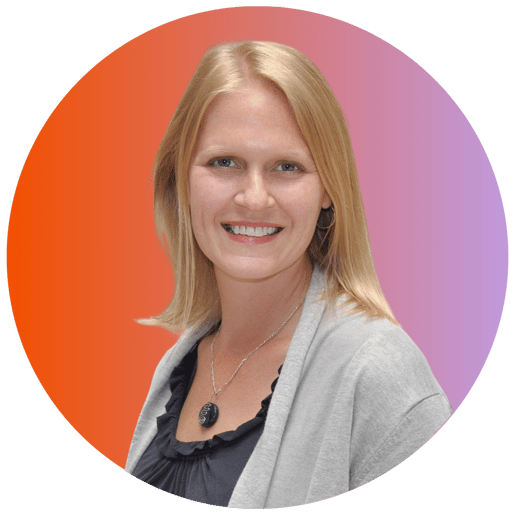
Bethany Fleming
Fleming Museum Consulting
Exhibit Developer
Bethany Fleming, a museum and exhibit development professional with over 20 years of experience, founded Fleming Museum Consulting after key roles at the National Hellenic Museum and the Illinois Holocaust Museum & Education Center. Her projects include the award-winning Geneva History Center and collaborations with organizations like Mackinac State Historic Parks and the Chicago Architecture Foundation.
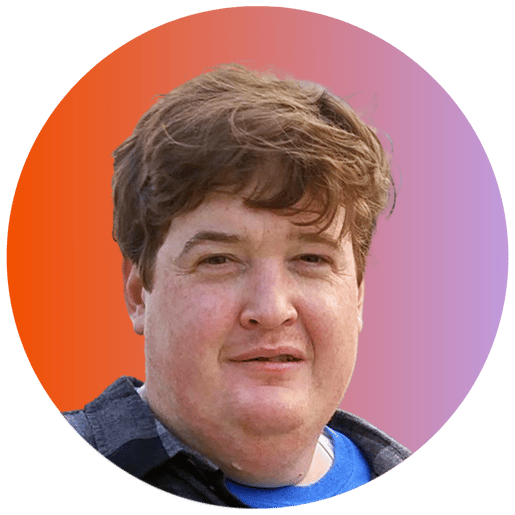
Dave Turnbull, OTR/L, PhD
Square Holes Neurodiversity Consulting
Dave Turnbull is an occupational therapist with nearly 20 years of experience working alongside neurodivergent individuals of all ages. Based in Oklahoma City, he specializes in helping organizations evaluate sensory environments and design inclusive spaces. Dave’s work bridges research, practice, and community, with a focus on dismantling barriers and celebrating neurodiversity.
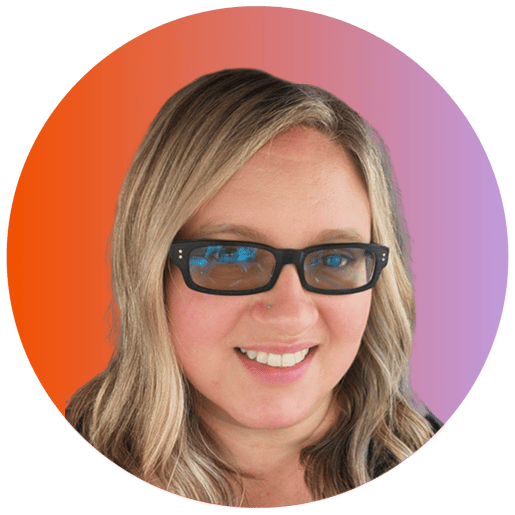
Beth Varner, M. Ed., NCSP
Square Holes Neurodiversity Consulting
Beth Varner is a school psychologist and consultant specializing in accessibility, instructional design, and nonprofit program development. She has worked in public schools, with national education publishers, and alongside community organizations to design trainings and resources that expand access for diverse learners. Beth brings a practical, applied approach to helping cultural institutions create welcoming, inclusive experiences for all visitors.